Bio-innovation in an industrial heartland
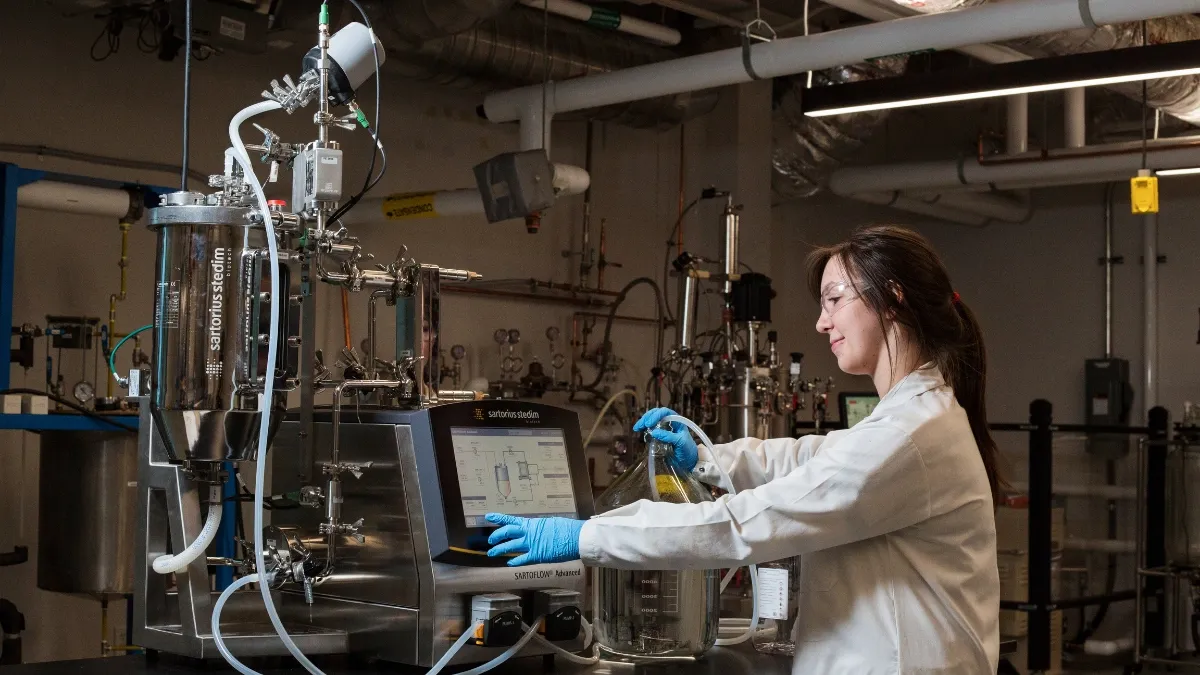
Image Courtesy : Canva
Bio-innovation—using biological systems to create sustainable products and processes—is driving economic growth in Sarnia, Ontario. Stephen Reaume, Director of Research at Lambton College, highlights how their research centers support small- and medium-sized businesses in food, pharma, and health. The college assists companies prior to clinical testing by offering preclinical testing, formulation, and pilot-scale production. In one project, the Bio-Industrial Process Research Centre helped scale up the production of astaxanthin, a high-margin antioxidant carotenoid. Businesses can connect via the Research Facilities Navigator to collaborate on R&D goals.
Biotech and health innovators transition from bench-scale breakthroughs to pilot-scale production with help from Lambton College researchers
Bio-innovation — the use of biological systems to develop new products, technologies and processes — is an increasingly important driver of economic growth and sustainability in Sarnia, Ont. Stephen Reaume, director of research at Lambton College, explains how teams at its research centres help small- and medium-sized businesses accelerate the path to commercialization in this fast-paced sector, including the food and pharmaceutical industries.
In health and bio-innovation, timelines and requirements can be intense. How do you help industry contend with this?
We can help at any point before clinical testing. We do preclinical testing and basic formulations. If a company has a product that is ready to go, we can build pilot plants and do pilot-scale production. We don’t do the testing required for regulatory approval, but we’ll ensure that a company’s product meets certification requirements.
What should a new partner know about working with a research facility such as yours?
A definable goal is all we need. A problem they need help with or a research goal or something they want to achieve. That’s all we really need and we can meet with them and decide if we can help. Other than that, a willingness to participate, to be collaborative is important.
Can you share an example of a research collaboration where your facility helped a company move from an early concept to achieving an important goal?
Our Bio-Industrial Process Research Centre worked with a company that was producing biopolymers, which is a low-profit-margin product, and wanted to get into producing carotenoids, which has a higher profit margin. Astaxanthin is the chemical in question; it’s basically what makes salmon pink. It’s used in the fish food industry mostly but it’s also an antioxidant that is used in a variety of foods and health food supplements.
We worked with them from the first concept, the initial production of astaxanthin. The first phase was testing and optimization of the bacteria process. The next phase was purification. We worked with different extraction and purification methods, to take it from a batch of fermentation to a highly purified carotenoid. The third phase was scale-up. We started at a small scale and now they’re hopefully incorporating it into their facility.
The company is hoping to sell its carotenoid as a health food supplement. That’s why refining the purification process was so important.
When companies contact you through the Research Facilities Navigator, what kind of information helps you quickly understand whether you’re a good fit for their needs?
A description of the research problem or goal lets us know if we have the equipment and/or expertise to do a project.
Usually, we have an initial meeting with a company. Timelines, budget and basic company information (years in operation, number of employees, etc.) help us determine the right funding source, including grants for R&D. We can talk about the facilities, what kind of expectations they have and then, if we go further, we bring in the scientists and engineers who will be doing the work to talk about the nitty gritty. It’s just a collaborative process from start to finish.
Looking for support with product testing, prototyping or technical challenges? Explore the Navigator to find the right research partner.
Your role in staying up to date is integral to our shared mission of fostering a community of innovators. CanadianSME Magazine is a valuable treasure trove of entrepreneurial knowledge. Click here to subscribe to our monthly editions for updates on Canadian businesses. Follow our handle, @canadian_sme, on X to stay updated on all business trends and developments. Your support is crucial to our mission.
Disclaimer: This article is based on publicly available information intended only for informational purposes. CanadianSME Small Business Magazine does not endorse or guarantee any products or services mentioned. Readers are advised to conduct their research and due diligence before making business decisions.