From Views to Signed Work: A Simple Video Framework Small Business Owners Can Use This Week
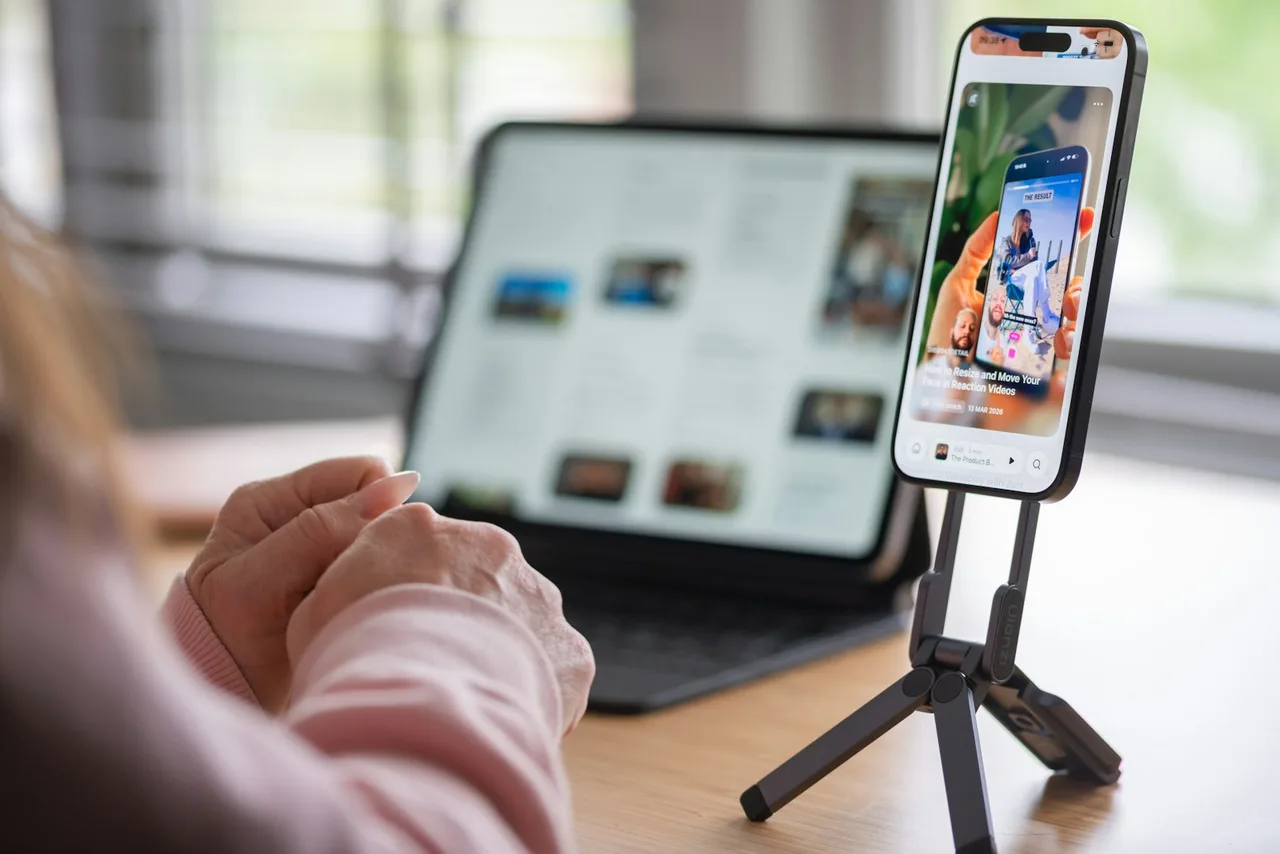
Image courtesy: Unsplash
A video can collect views and still leave your calendar empty. Realtor Greg McDaniel shares a three-part framework — one problem, one proof story, one next step — and a one-week plan any local service business can use to turn videos into signed work.
Why Views Don’t Pay the Bills
A video can get watched all day and still leave your calendar empty. I have watched business owners post week after week, collect a few polite comments, and wonder why the phone never rings. Views feel like progress. They are not signed work.
People will watch an interesting clip. They will not hire you until they recognize a problem they already have, believe you have solved it before, and know exactly what to do next. Miss any one of those three, and the video ends when the screen goes dark.
I have been in real estate for 27 years, and I see the same pattern in my field and in other local businesses: consistent posting, a little applause, and no appointment on the books. Silence after “good content” is usually not a cue to post more. It is a sign the video never asked anyone to do anything real.
The Three-Part Framework
Most business videos stall on general advice. They teach a little, sound friendly, and never ask for a conversation. A better structure has three parts, and only three.
First, name one clear problem your customer is already feeling. Not five tips. One costly mistake.
Second, tell one short proof story. Not your whole résumé. One time you solved that problem, and what changed.
Third, give one specific next step. Not “reach out if you ever need anything.” A real action: book a time, send a photo, reply with a question, or go to a page you name on the screen.
That structure turns a view into a conversation because the viewer is not left to invent the next move. They either take the step or they don’t. You will know which.
What to Say on Camera
You do not need a studio. A quiet room, a charged phone, and a script you can say in about a minute will do. Here is a phone-ready version I would use in my own work:
“A lot of sellers pick a list price that feels comfortable and then watch the house sit. The costly mistake is pricing for the market you wish you had, not the one in front of you. When I sit down with a seller, we look at what buyers are actually paying and set the price from that. If you are thinking about selling, go to greg1.com and book a pricing check with me. I am Greg McDaniel.”
Name the costly mistake. Show how you solve it. Tell them exactly how to reach you. Put your name and the next step in the caption, and on the screen if you can. Then stop talking.
How It Maps to Any Local Service Business
The same framework works whether the signed agreement is a new client, a project, or a listing. Swap the offer. Keep the three parts. Here is that script with the offer swapped for a bookkeeper:
“The costly mistake I see is waiting until tax season to get the books in order, then paying for rushed work and a messy year. I start with a catch-up review and a simple list of what I need, so they can file with a clear picture instead of a pile of receipts. If your books are behind, email me this week and I will tell you exactly what to send for that review.”
A plumber, a landscaper, or a consultant can do the same thing. The agreement changes. The structure does not.
The Follow-Up That Makes the Video Worth Recording
A post that no one follows up on is a dead end. You do not need a complicated system. You need a light, repeatable habit.
When someone comments, reply in public the same day. If they have made it easy to reach you, follow up in private too. Thank them, ask one question about the problem you named, and repeat the same next step you used in the video. Do not invent a new offer in the message.
Keep a simple list: name, how they found you, the date you contacted them, and what you asked them to do. The video does the introduction. The follow-up is what turns a view into signed work.
A One-Week Plan
You do not need a production budget or a big team.
Monday: pick one problem your customers keep bringing you, write the three parts, and practise once out loud.
Tuesday: record it on your phone near a window. One clear take, about a minute, with your name and the next step on the screen or in the caption.
Wednesday: post it where your customers already are. One or two places, not six, plus any email or text list of people who already know you.
Thursday and Friday: spend a short window each day on follow-up. Reply to every comment, message the people who asked a question, and offer the same next step you named in the video.
Weekend: review the conversations, not the view count. If no one took the next step, tighten the problem, the proof, or the ask, and record again next week.
Views are nice. Signed work is the point. Give people a problem, a reason to believe you, and a way to start, then follow up like it matters.
Greg McDaniel, Realtor, eXp Realty, DRE #01329994, greg1.com.