How Dalia Elkhatib Is Designing the Next Generation of Business Spaces

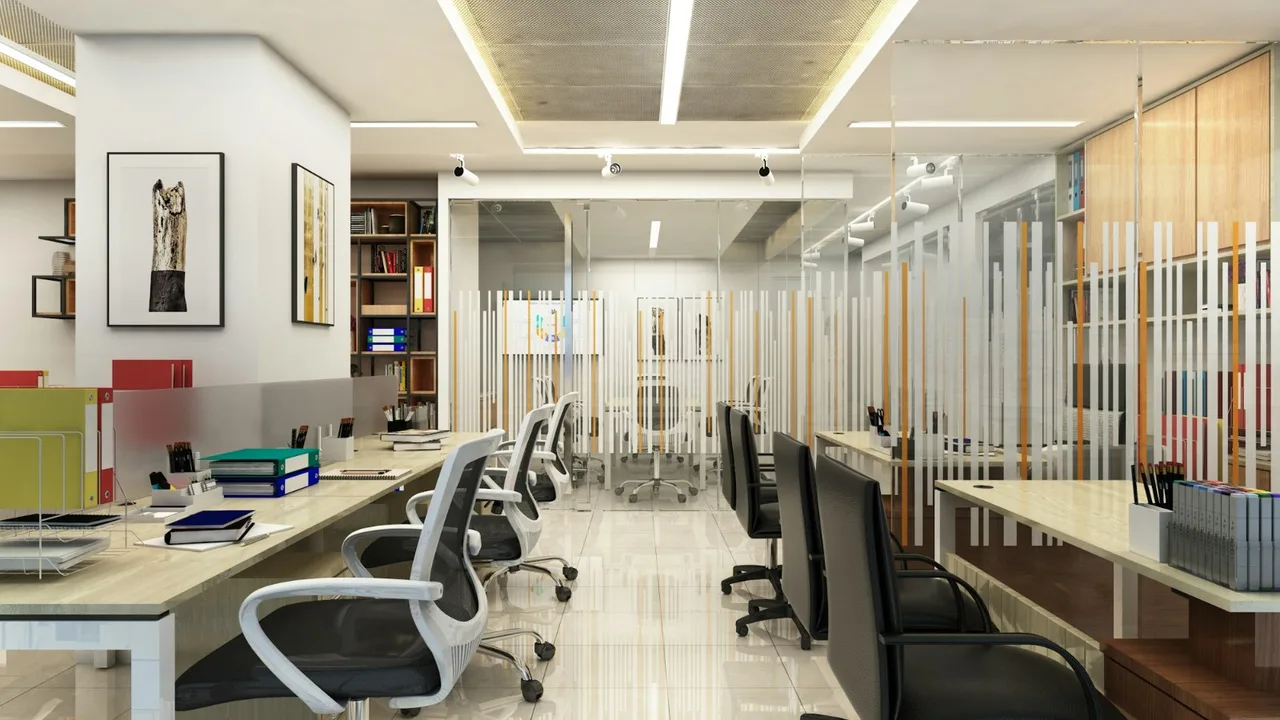
Aalo Lens on Unsplash
DesignMySpace Inc.'s founder is rethinking how Canadian businesses use physical space by merging technology, retail design, and human-centred thinking. As Canadian firms adopt artificial intelligence, cloud platforms, automation, and new digital customer experiences, another shift is happening in parallel. The environments where people work, shop, meet, and engage with brands are evolving as well. Dalia Elkhatib, Founder and Principal Designer of DesignMySpace Inc., believes effective innovation begins by bringing together functionality, user experience, and strategic design.
Elkhatib is based in the Greater Toronto Area and brings over a decade of experience in commercial, workplace, hospitality, and residential interior design. Her portfolio includes work on branded environments for Lindt & Sprüngli, Toyota, Kids Help Phone, and Sephora x Tatcha, as well as institutional and large-scale residential projects at the University of Toronto, University of Waterloo, ILAC, Regent Park, and other developments. Today, she leads DesignMySpace, an interior design and project management firm built around an increasingly important principle for Canadian SMEs: a physical environment should do more than look good. It should function strategically for the people, businesses, and communities that rely on it every day.
From Interior Design to Business Infrastructure
Commercial interior design is often viewed as an aesthetic decision. In practice, it can be an operational one. A poorly designed retail environment can disrupt customer flow and diminish the overall customer experience. Inefficient workplace layouts can hinder collaboration, productivity, and employee engagement. Spaces that fail to account for accessibility, durability, lighting, maintenance, or future growth can create costs and challenges long after construction is completed.
Elkhatib addresses these challenges through a combination of strategic design, project management, and technical expertise.
DesignMySpace provides full-service interior design and project management services to homeowners, developers, property managers, and corporations. Its commercial services include space planning, layout optimization, lighting and material selection, project management, technical documentation, construction administration, and municipal permit coordination. This expanded scope reflects the evolving role of design in business performance. Design is becoming increasingly important to SMEs for productivity, branding, customer experience, and operational efficiency. Decisions made during the design stage can influence how people move through a space, how customers interact with a brand, and how effectively a business adapts to future needs.
Technology Is Changing the Design Process
The modernization of Canadian industry extends well beyond manufacturing and software. Architecture, construction, and interior design are becoming increasingly digital. At DesignMySpace, digital visualization is an integral part of the design process. The firm leverages technologies such as Revit, SketchUp, Enscape, D5, 3ds Max, and Corona Renderer to develop, visualize, and communicate design concepts with clarity and precision.
These visualization tools allow clients to better understand layout, circulation, materiality, and overall design intent before construction begins. For small businesses and organizations making significant investment decisions, this capability can be invaluable.
Renovating a business, restaurant, office, or wellness facility requires considerable investment. Visualization technologies allow owners to evaluate design options early, identify potential challenges, and communicate more effectively with designers, contractors, and stakeholders before construction starts.
DesignMySpace has also expanded beyond traditional in-person delivery. The company offers virtual eDesign services throughout Canada and the United States, using remote collaboration tools and customized digital deliverables to serve clients beyond its local market. This approach demonstrates how technology can extend professional services without replacing them. The goal is not technology for its own sake, but technology that improves communication, accessibility, and project outcomes.
Retail Design in an Omnichannel Economy
Retail is one industry where technology and physical space are becoming increasingly interconnected. Consumers regularly move between websites, mobile devices, social media platforms, and physical locations. As a result, businesses must create experiences that an online transaction alone cannot replicate.
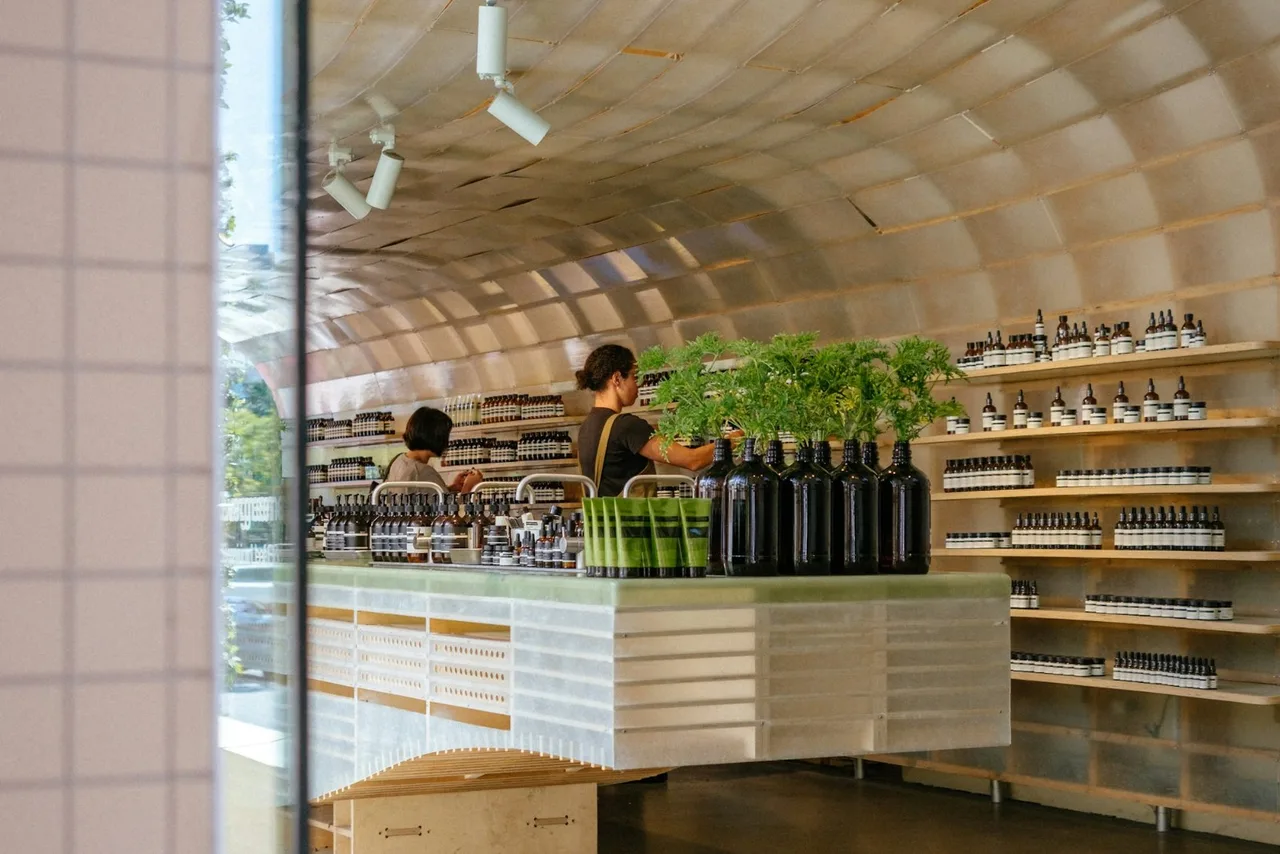
Elkhatib's background in branded retail environments shapes her perspective on the evolving role of physical space. Her portfolio includes projects for internationally recognized brands such as Lindt & Sprüngli, Toyota, and Sephora x Tatcha.
Her design philosophy emphasizes creating authentic, functional environments that respond to how people live, work, shop, and interact with a space rather than simply following trends.
DesignMySpace specializes in creating branded, high-performing environments for workplaces, wellness facilities, retail boutiques, hospitality venues, and commercial spaces, balancing operational requirements with brand identity and user experience.
As retail technology continues to evolve through mobile payment systems, digital displays, self-service tools, and smart inventory management, physical environments remain one of the most powerful ways for businesses to communicate their brand. For smaller retailers, thoughtful design can become a significant competitive advantage by improving functionality, atmosphere, and the connection between business and customer.
A Real-World Example of Modernization
One of Elkhatib's recent projects demonstrates how modernization extends beyond aesthetics to improve functionality, accessibility, operational performance, and long-term value.
In 2026, DesignMySpace managed the redesign and organization of common areas at Bransfield House, 511 The West Mall in Etobicoke, a residential complex originally built in the early 1970s. The project included the foyer, management office, boardroom, recreation areas, library, corridors, washrooms, and utility spaces.
The redesign addressed accessibility, lighting, circulation, durability, and current building standards while preserving the property's existing character.
The renovation was substantially completed in February 2026, with Elkhatib serving as the project's Principal Designer and Payment Certifier.
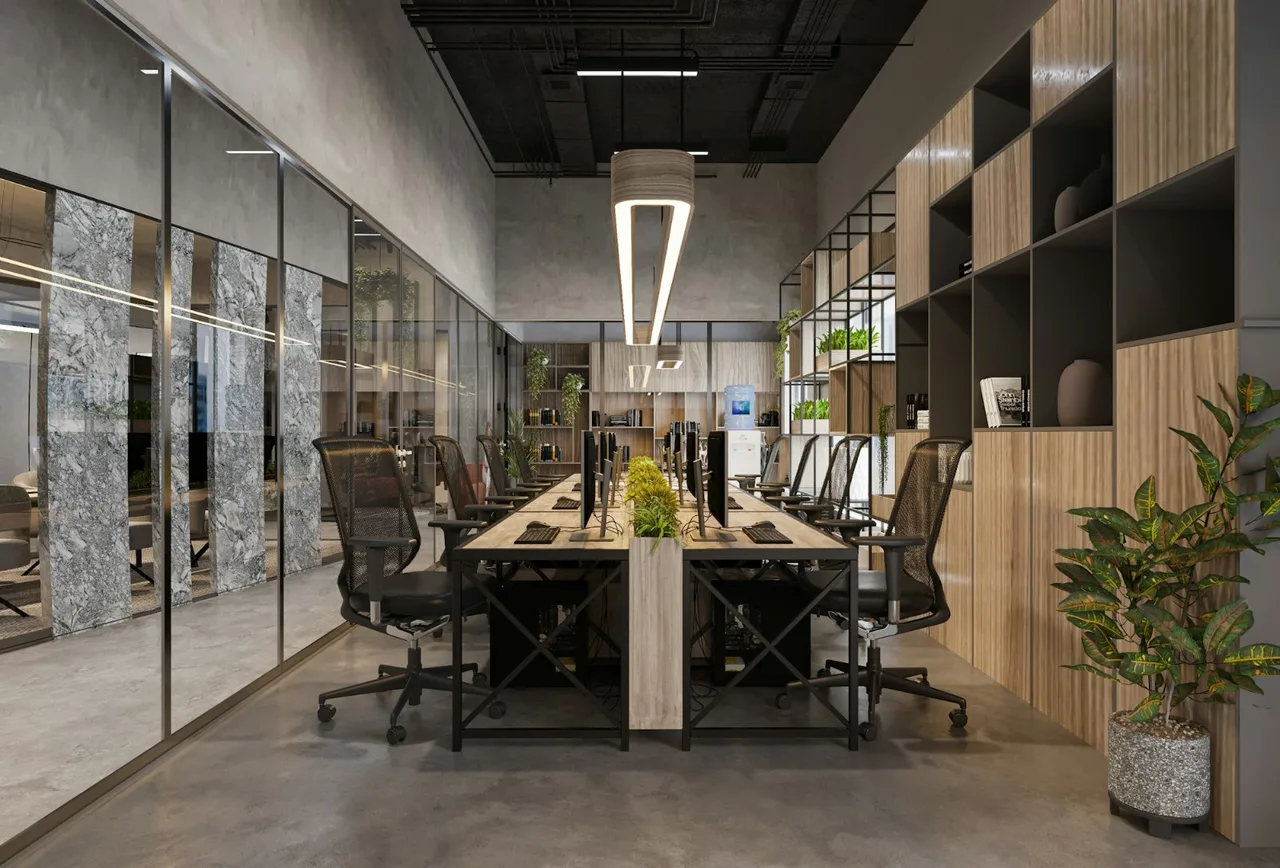
Projects like this reflect a larger lesson for Canadian businesses and property owners. Innovation does not always require creating something entirely new. Sometimes it involves improving an existing asset by increasing accessibility, functionality, safety, and user experience while preserving what already works.
Modernization is most effective when organizations clearly understand the operational challenges they are trying to solve before investing in new systems, technologies, or environments.
AI Adoption Is Accelerating Across Canadian Business
The timing of this transformation is significant. Canadian businesses are increasingly adopting new technologies. According to Statistics Canada, 25.2% of enterprises were expected to use artificial intelligence to produce goods or deliver services within the next 12 months as of the third quarter of 2026, up from 10.6% two years earlier.
The trend is also expanding into the built environment. Adoption expectations among construction enterprises increased from 3.2% in 2024 to 18.3% in 2026, while anticipated adoption in retail and manufacturing reached 16% and 24.4%, respectively.
These figures do not suggest that every SME should immediately adopt every emerging technology. They do indicate that digital tools are becoming more integrated into everyday business operations.
Within the design and construction industry, AI and cloud-based technologies can enhance idea generation, estimating, scheduling, documentation, client communication, and visualization. However, technology creates the most value when it supports real business objectives. Elkhatib's approach reflects this principle: digital tools improve visualization, communication, and service delivery, while the ultimate focus remains on how people interact with space.
What SMEs Can Learn From Design-Led Innovation
Canadian entrepreneurs can learn a valuable lesson from design-led thinking. Innovation does not always begin with a major technology investment. Often, it begins with identifying and solving practical challenges.
For retailers, that may mean understanding where customers hesitate, disengage, or experience friction within a store. For manufacturers, it may involve improving workflow, circulation, and productivity within a facility. Professional service firms may need environments that better support collaboration, culture, and hybrid work.
The same principle applies to technology adoption. Before implementing new software or launching a digital initiative, businesses should identify the problem they are trying to solve. Digital transformation becomes significantly more effective when technology is connected to a clear operational objective.
Building a Design Business Around Flexibility
Elkhatib's entrepreneurial journey is particularly relevant to women building service-based businesses in an increasingly technology-driven marketplace.
DesignMySpace works across residential, commercial, hospitality, institutional, and mixed-use environments, serving clients both locally and remotely. The firm's services span the entire project lifecycle, including strategic planning, interior design, space planning, technical documentation, permitting support, procurement, project management, and construction coordination.
This comprehensive approach enables DesignMySpace to guide projects from concept through execution while maintaining alignment between design vision, operational requirements, budget objectives, and user experience.
Rather than offering isolated design recommendations, the firm focuses on delivering integrated solutions that support long-term functionality, business goals, and measurable outcomes.
Elkhatib's diverse experience reinforces this approach. She has managed full-scale interior architecture projects and specializes in project planning, financial management, Ontario Building Code compliance, and construction coordination alongside creative design expertise.
The result is a practice that balances creativity with technical excellence, helping clients navigate complex projects with confidence from concept through completion.
Designing for People in a Technology-Driven Future
Digital transformation can make the future of business appear increasingly virtual. Elkhatib's work offers a different perspective. As technology becomes more integrated into everyday life, thoughtfully designed physical experiences become even more important.
Employees still need workplaces that support productivity, collaboration, and well-being. Customers continue to respond to the quality, atmosphere, and functionality of the environments they experience. Communities benefit from spaces that are accessible, adaptable, and thoughtfully designed. Businesses continue to require physical environments that support their goals rather than create obstacles.
Elkhatib captures this philosophy simply on the DesignMySpace website:
“Design begins with the people who live in it.”
That philosophy carries broader implications for entrepreneurs and Canadian SMEs navigating the next wave of technological change. New tools can help organizations move faster. Digital systems can improve efficiency. AI can support analysis, automation, and decision-making.
Ultimately, innovation must serve people.
As Canada enters a new era of technological adoption across manufacturing, construction, retail, and professional services, leaders like Dalia Elkhatib demonstrate why the human experience should remain at the center of every transformation. Technology may shape the future, but great design ensures that future works for the people who live, work, and interact within it.