From Stone Mason To Co-Owner: Succession Lessons From A Family Roofing Company In Whitby
A Whitby roofing company co-owner explains how he moved from stone mason to co-owner of a family firm founded in 1994. He covers field training, handing over customer relationships, adopting roofing software and tracking leads so the business can be transferred.
The co-owner of a Whitby roofing company on what it took to go from laying stone to co-owning a family business founded in 1994, and why it had to change before ownership could.
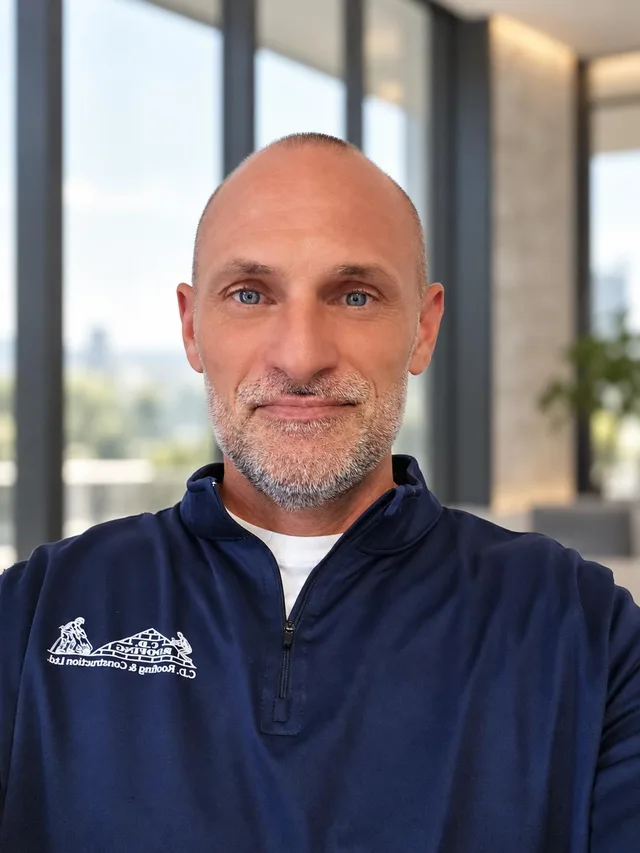
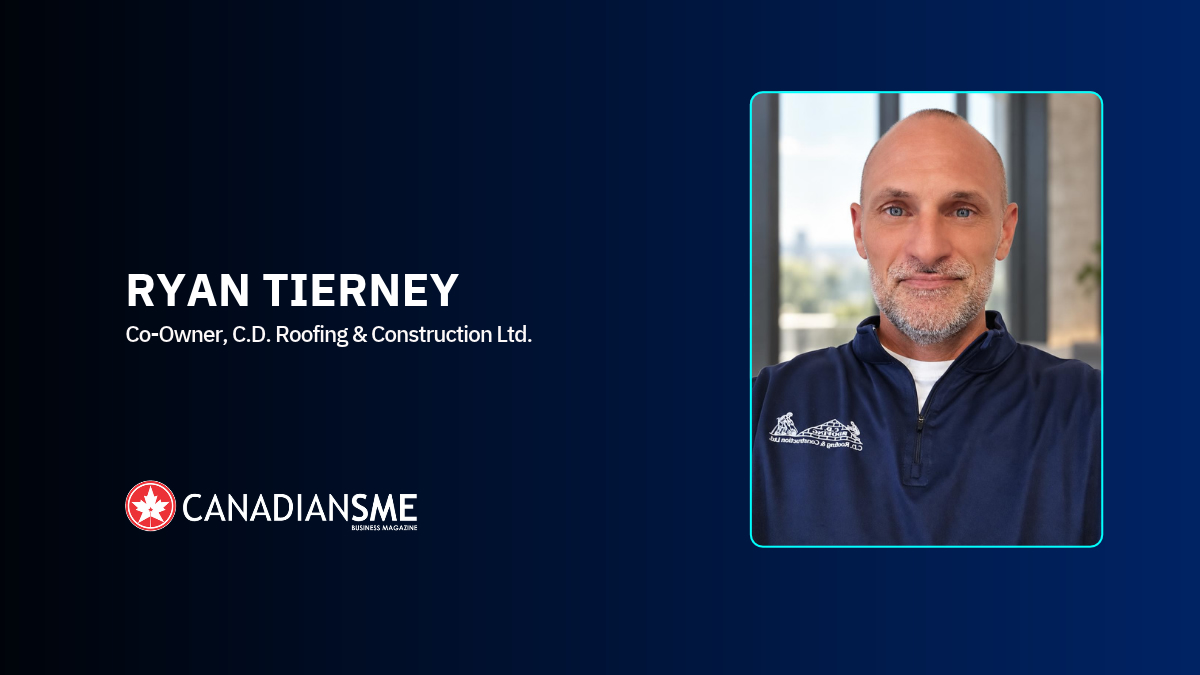
By Ryan Tierney, Co-Owner, C.D. Roofing & Construction Ltd.
I didn't come into roofing through the front door. In 2008 I was working as a stone mason for a masonry company owned by a cousin of Chris Delaney. Chris had started C.D. Roofing & Construction in 1994, and he needed another set of hands. His cousin vouched for me, and I spent my first years on roofs across Durham Region, learning roof repair and roof replacement from the person who built the company.
Today Chris and I own the business together. People sometimes ask how a stone mason ends up as co-owner of a roofing company. The short answer is slowly, and on purpose.
Plenty of family trades businesses in Canada are asking who takes over when the founder steps back. The Canadian Federation of Independent Business has found that most small business owners plan to exit within the next decade. CanadianSME's recent piece, Business Succession in 2026: Transform Before You Transfer, argued that a company has to be made transferable before it can be handed on. That matched what we went through, so here is how it looked from inside a roofing company.
Start on the roof, not with the title
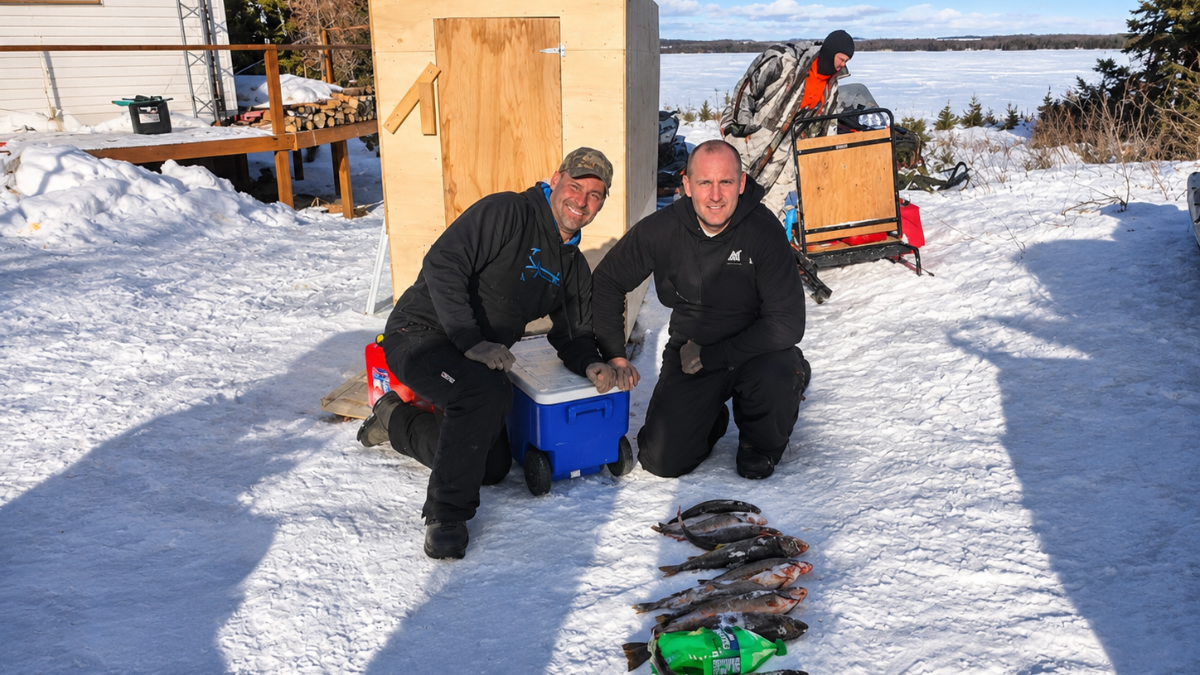
Chris came to Ontario at 17 and worked in nurseries before he found roofing. He started the business in Scarborough and grew it the hard way, one roof at a time. He didn't hand me a job title in 2008. He handed me a tear-off.
Masonry turned out to be useful preparation. Much of what goes wrong on a roof happens where it meets something else: a chimney, a wall, a skylight. A mason already knows how water moves through brick and mortar, so flashing details made sense to me sooner than they might have otherwise.
The bigger lesson was about credibility. A successor who skips the field work can own the shares and still not have the crew's trust. Our crews knew I'd carried bundles up a ladder before I ever signed a cheque, and that mattered when I started making decisions.
From roof repairs to estimates: succession is a long apprenticeship
Chris has called me his protégé, and that's a fair description. Over the years I moved from tear-offs and roof repairs to estimating, first on residential re-roofs and later on commercial flat roofs, then to quoting and customer follow-up. Eventually homeowners were calling me instead of him.
That shift was the real handover, and it came well before any paperwork. A founder's relationships with customers, suppliers and crews don't transfer with a share certificate. They move when the founder steps aside and lets the next person handle them while he's still around to catch the mistakes.
We used an accountant and a lawyer for the legal structure. That part shouldn't be improvised, and both sides should get advice before anyone signs.
Transform before you transfer: modernizing a roofing company's office
When I joined, the business ran largely on Chris's memory. He knew which roofs we'd done, what the pitch was on a house in Brooklin, and which customer had called about an eavestrough three years earlier. That works for a founder. It doesn't work for a successor, and it doesn't work if the founder wants to take a week off.
I'd always been comfortable with computers and office work, so that became my job. We brought in roofing software and paired it with satellite imagery, so we could measure a roof and build a roof replacement quote without climbing every house first. Job details, measurements and photos started going into one system instead of a notebook. We also began producing written reports for insurance and restoration companies, and over time we moved toward working directly with homeowners.
Not everyone liked it at first. Crews who had measured roofs by hand for years were sceptical of a quote built from a screen. We started small, checked the software's numbers against tape measurements, and let the results do the convincing.
The software didn't make us better roofers. It made the business less dependent on one person, and that is what succession needs.
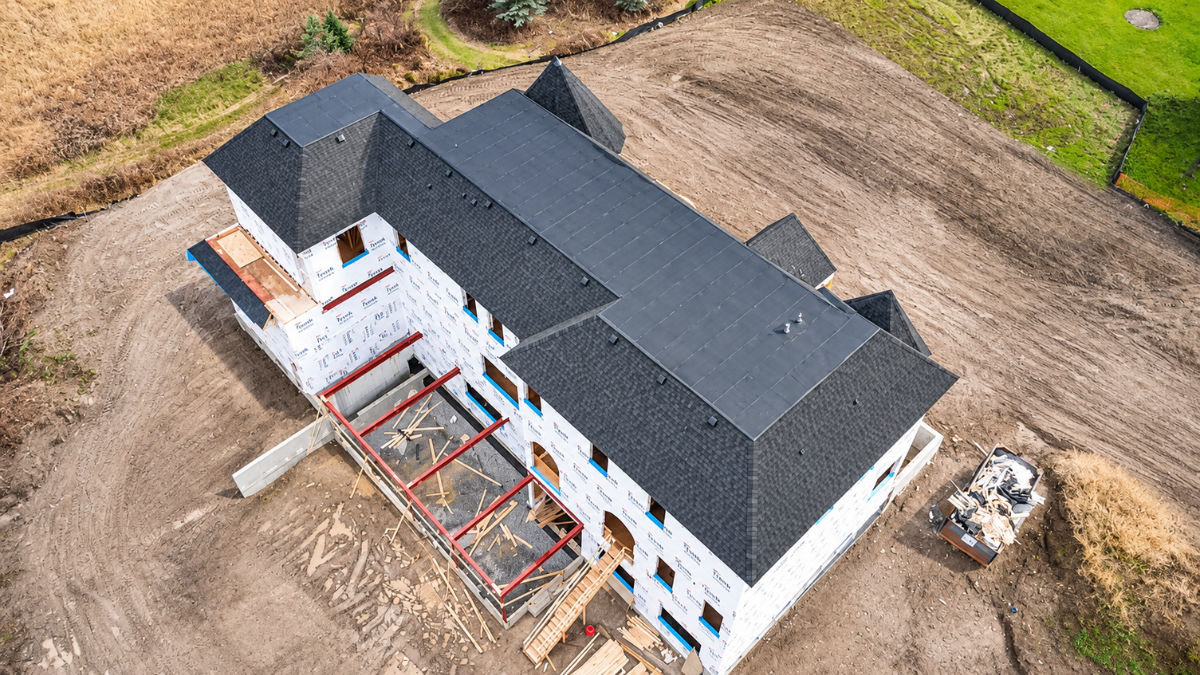
Measuring how Durham Region homeowners find a roofing company
For most of our history, work came through referrals. That's a good problem to have, but a founder's network is personal and doesn't automatically stay with the company. If the phone only rings because people know Chris, the business is harder to pass on.
So in 2025 we started treating how new customers find us as something to manage and measure. We worked with an outside marketing agency on our Google Business Profile, our website and local content about the roof repair, roof replacement and flat roofing problems that homeowners in Whitby and across Durham Region actually search for. Comparing April 2025 with April 2026:
| Measure | April 2025 | April 2026 | Change |
|---|---|---|---|
| Actions on our Google Maps listing | 73 | 215 | +194% |
| Tracked website leads | 69 | 123 | +78% |
The Google figures come from our Google Business Profile performance report, and the website leads come from the lead tracking on our site. A few caveats. These numbers compare one month with the same month a year later, so seasonality is roughly matched, but April is a busy month for roofing. They count enquiries, not signed jobs. Some of the change also came from general market conditions we don't control.
The part that mattered for succession was who was calling. More of those enquiries came from people who had never heard of Chris or me. They found the company, not a person, and that kind of pipeline can be handed on.
What I'd tell another family roofing or trades business
- Put the successor in the field first. Trust from the crew is earned on the job, not given with a title.
- Move customer relationships before ownership. Let the next owner handle real customers while the founder can still coach.
- Write down what lives in the founder's head. Software helps, but a shared notebook is better than nothing.
- Make your lead flow belong to the company. Track where enquiries come from so you know what you're actually transferring.
- Get the structure done properly, and early. An accountant and a lawyer cost less than a rushed handover.
- Respect what built the business. Change the systems and keep the standards.
Our roofing company still carries Chris's initials. The work, the warranty and the way we treat customers haven't changed. What changed is that the business no longer depends on one person being there every day, and in our experience that is most of what succession comes down to.
About the author
Ryan Tierney is co-owner of C.D. Roofing & Construction Ltd., a family-run roofing company in Whitby, Ont., that handles roof repair, roof replacement and flat roofing across Durham Region and the GTA. A former stone mason, he joined in 2008, trained under founder Chris Delaney and now runs the company's business side, including its software and reporting systems. Follow C.D. Roofing on LinkedIn, Facebook, Instagram and YouTube.