Closing the Chronic Pain Care Gap: Dr. Zameer Pirani’s Vision for Rapid Access


In an exclusive interview with CanadianSME Small Business Magazine, Dr. Zameer Pirani, Medical Director and Co-Founder of Afiya Spine & Pain Institute, shares how he is working to improve the chronic pain care experience through faster access, specialist-led treatment, and a more connected approach to patient support.
Interview By Maheen Bari
Dr. Pirani is an Interventional Pain Specialist and the Medical Director and Co-Founder of Toronto-based Afiya Spine & Pain Institute. He is also an Anesthesiologist with the Scarborough Health Network in Ontario, Canada.
Dr. Pirani attended medical school at the Royal College of Surgeons in Ireland. After medical school he went on to complete Anesthesia Residency at Western University in Ontario. After graduation, Dr. Pirani pursued a two-year Chronic Pain Fellowship at the University of British Columbia where he had many excellent mentors.
Dr. Pirani has had the opportunity to work in a number of settings during his young career. He has a passion for multidisciplinary pain management and patient-centred care. He strives to make a meaningful difference in the lives all of his patients. Dr. Pirani is able to treat many different patient conditions from head to toe. He aspires to achieve long lasting pain relief for all of his patients.
Dr. Pirani opened his first clinic in Toronto in January 2023, his second clinic in Hamilton in April 2025, and is currently planning the opening of his third clinic in collaboration with Scarborough Health Network in the fall of 2026.
https://afiyapainclinic.ca/doctor/dr-zameer-pirani/

What gap in chronic-pain care led you to establish Afiya Spine & Pain Institute?
I started Afiya out of necessity. In Canada, one in five adults suffers from chronic pain, a condition that is projected to impact nearly 9.1 million Canadians by 2030. During my medical residency, the opioid crisis was ever-present. Witnessing the years-long wait list for patients to see a pain specialist propelled me to get into the chronic pain specialty. I wondered how these patients suffering from pain were going to manage with such a long wait. After I completed all my training, I worked at various clinics and again saw the long wait times, frustrated patients, and inefficient patient pathways. I wasn’t happy and decided to look for likeminded colleagues, which eventually led me to Dr. Ahilraj Siva. We had a plan to open a pain clinic with the goal of delivering specialist-led, rapid-access chronic pain care. Neither of us had any business experience. We both simply took a leap of faith and co-founded our first clinic in Toronto in 2023. In 2025, we opened our second location in Hamilton with co-founders Dr. Eugene Maida and Dr. Abhitej Rewari. Today we have 25 physicians across two sites focusing on rapid access, with a one- to two-week wait list.
Why is rapid access to specialist, image-guided pain care so important for patients?
Chronic pain is very complex, and treating it requires physicians with specialist training in these complex conditions.
With image guidance, we increase the precision of our interventions and ensure their success.
For example, to treat a patient with an acute radiculopathy (pinched nerve), we need an X-ray image to get down to the nerve root and inject the medication. Another example is sacroiliac joint (SIJ) pain — or axial back pain — a very common cause of back pain. With an X-ray, we can go down to the nerve root with 100 per cent accuracy. Many clinics don’t use image guidance, nor are their practitioners trained in it.
I also do not believe in weekly injections. It’s important to focus on long-term pain management solutions where patients don’t have to visit a pain clinic on a weekly basis.
Patients living with chronic pain deserve to be seen by a specialist quickly and have image-guided treatments. It’s our duty as physicians to provide our patients with the highest quality of care.

Pain affects more than the body. How does Afiya’s 4P model address physical, psychological, medication-based, and procedural needs together?
When you combine the 4Ps, it’s like creating a symphony orchestra — everything works together synergistically to help our patients recover and live their best possible pain-free lives. Engaged and motivated patients have the best outcomes.
In recent years, our understanding of pain has grown. We now know it’s not just tissue damage; we can view it through a biopsychosocial model that explains the complex interplay of how biological, psychological and social factors all impact the experience of chronic pain. When chronic pain sets in, it can cause depression and anxiety, taking an immense mental toll on the patient and everyone in their life. The longer the pain lingers, the more likely it is that their pain pathways become altered, making them even more sensitive to painful stimuli. Patients often develop kinesiophobia — a fear of movement — and that lack of movement further affects them.
There is a stigma associated with chronic pain as often it leaves no visible scars. Those who suffer from pain feel that as though no one believes them. Beyond the clinical symptoms, they’re battling a profound sense of isolation. They require care from an interdisciplinary team, where physicians, physiotherapists, psychologists, social workers and other health care professionals work together to treat the whole person.
What have you learned from growing Afiya from one Toronto clinic into multiple locations, including the planned Scarborough expansion?
I’ve learned many lessons over the years.
Really get to know your partners. Make sure you share the same vision, and that each has distinct roles and responsibilities — not everyone has to do the same thing to be successful. Dr. Siva and I were grateful to have Dr. Maida and Dr. Rewari join us as co-founders for our Hamilton clinic. Dr. Maida, who is also medical director of the Michael G. DeGroote Pain Clinic at McMaster University, helped with academic development, and Dr. Rewari brought his business acumen to enhance our business development and financial operations.
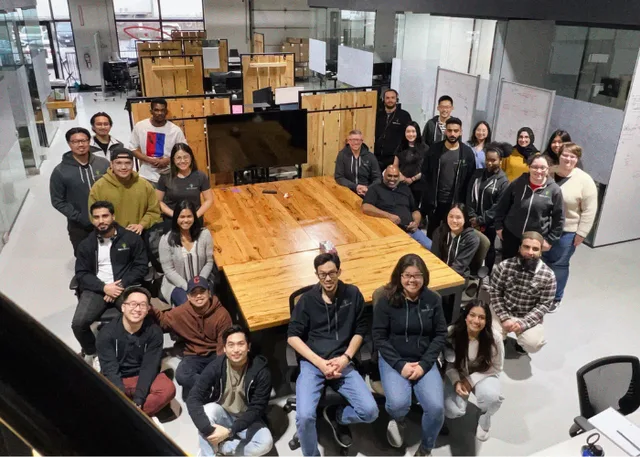
Build a great culture, and do whatever it takes to maintain it. The people who work with you should look forward to coming to work. Most importantly, patients struggling with chronic pain can sense a positive environment, and it helps to naturally build a rapport with them.
Likewise, recruiting physicians and staff who understand and respect that culture is essential to maintaining your vision and promoting positive outcomes for patients.
Keep evolving, and build different layers into your business. For example, we continue to introduce innovative treatments that are guided by clinical research and best practices; and we apply for grants to create pain management resources for seniors.
And have fun doing it.
What should Canadians living with chronic pain understand about seeking multidisciplinary care and advocating for the support they need?
For Canadians living with chronic pain, know that there is help out there.
When looking for doctors or clinics – be it through your own research or referrals from your healthcare providers – focus on these three things: Find clinics that prioritize interdisciplinary care and functional goals, such as helping patients return to work and improve their quality of life. Look for physicians who have subspecialty training and expertise in pain medicine. Choose clinics that have image-guided facilities such as fluoroscopy (X-ray) and ultrasound.
In the span of 10 years, we’ve seen the number of pain injections being performed in Ontario tripled from 1 million in 2010 to over 3 million in 2019. While the rise can be attributed to an increase in the number of people experiencing chronic pain, it is also due to patients returning for repeat injections, multiple times a year, and in some cases, landmark based/non-image-guided injections. You want to avoid clinics where this seems to be happening.
Canadians don’t have to suffer chronic pain alone. Discuss with your healthcare providers and ask for a referral. Most of the pain treatments are covered by the Ontario Health Insurance Plan (OHIP). There are options out there that you don’t have to wait months to be seen.
Disclaimer: The views and opinions expressed in this interview are those of the interviewee and do not necessarily reflect the official policy or position of CanadianSME Small Business Magazine. Our platform is dedicated to fostering dialogue and sharing insights that inspire and empower small and medium-sized businesses across Canada.