Faster Delivery Through Smarter Retail Technology


Image Courtesy: Canva
Retail technology is transforming into a critical manufacturing tool for Canadian brands, helping businesses align production with real-time market demand. By turning inventory into intelligence, utilizing demand forecasting, improving fulfillment accuracy, connecting fragmented point-of-sale data, and learning from customer returns, small and medium-sized enterprises can optimize supply chains. Ultimately, linking these systems enables Canadian manufacturers to transition from reactive operations to smarter, omnichannel, data-driven decision-making.
Retail technology is increasingly becoming a manufacturing tool for Canadian consumer brands and manufacturers, rather than a sales one. Data from e-commerce platforms, retail point-of-sale systems, warehouses, customer support teams, and product returns can help businesses determine what to produce, how much to order, where to store inventory, and when to replenish stock. This matters because client expectations have shifted. Buyers want accurate product availability, quick delivery, convenient pickup and return options, and consistent experiences across online stores, marketplaces, social platforms, wholesalers, and physical retailers. To achieve those objectives without maintaining excessive inventory, SMEs must improve supply chain visibility.
Canadian retail e-commerce sales totalled $5.7 billion in June 2026, accounting for 7.7% of total retail sales. This marked a 9.9% monthly rise and an 18.7% increase since June 2025, highlighting the growing importance of online demand signals for Canadian businesses and manufacturers.
Turn Inventory Into Intelligence
Inventory is often one of the biggest investments for a consumer brand or company. Too much inventory drains cash, takes up warehouse space, and increases the risk of markdowns or obsolescence. Too little inventory leads to lost sales, dissatisfied customers, retailer penalties, and rushed production. Inventory-intelligence technologies help organizations better understand what they have, where it is, what is committed to customer orders, what is in transit, and what is likely to sell next. When integrated with ERP, e-commerce, warehouse, and retail systems, these platforms can provide a more accurate image of available inventory.
For example, a Canadian skincare brand that sells through its own website, independent retailers, and online marketplaces can use a shared inventory system to prevent overselling the same product across channels. The company may also determine which stock-keeping units are moving the fastest in each location and arrange replenishment before a stockout happens.
Use Demand Forecasting to Plan Production
Demand forecasting allows manufacturers and consumer brands to estimate future demand by analyzing previous sales, customer orders, promotions, seasonality, regional patterns, and current online activity. The goal is not to predict every transaction exactly. Its purpose is to make better evidence-based manufacturing and purchasing decisions. A manufacturer may notice that sales of a specific product increase each year before the Christmas season, during a regional event, or after a shop promotion. An e-commerce company may notice a product gaining popularity through website traffic, repeat purchases, or social media marketing before it appears in monthly sales figures.
When assessed regularly, retail signals can support production planning. Instead of focusing just on last year's sales, a company can evaluate current orders, cart activity, search trends, retail sell-through, supplier lead times, and available manufacturing capacity. Forecasting also helps make smarter purchase selections. If the predicted demand for a product increases, the corporation can source materials sooner. If demand slows, production runs can be reduced to avoid surplus inventory.
Make Fulfillment Faster and More Accurate
Fulfillment technology helps SMEs control the entire process, from order placement to delivery. This can include warehouse management systems, barcode scanning, mobile picking tools, shipping integrations, automated labelling, order routing rules, and real-time carrier updates. For smaller enterprises, automation doesn't always mean a fully robotic warehouse. It might start with modest changes, like instantly routing online orders to the right warehouse, printing shipping labels from a single system, minimizing manual data entry, or alerting workers when a product is running low.
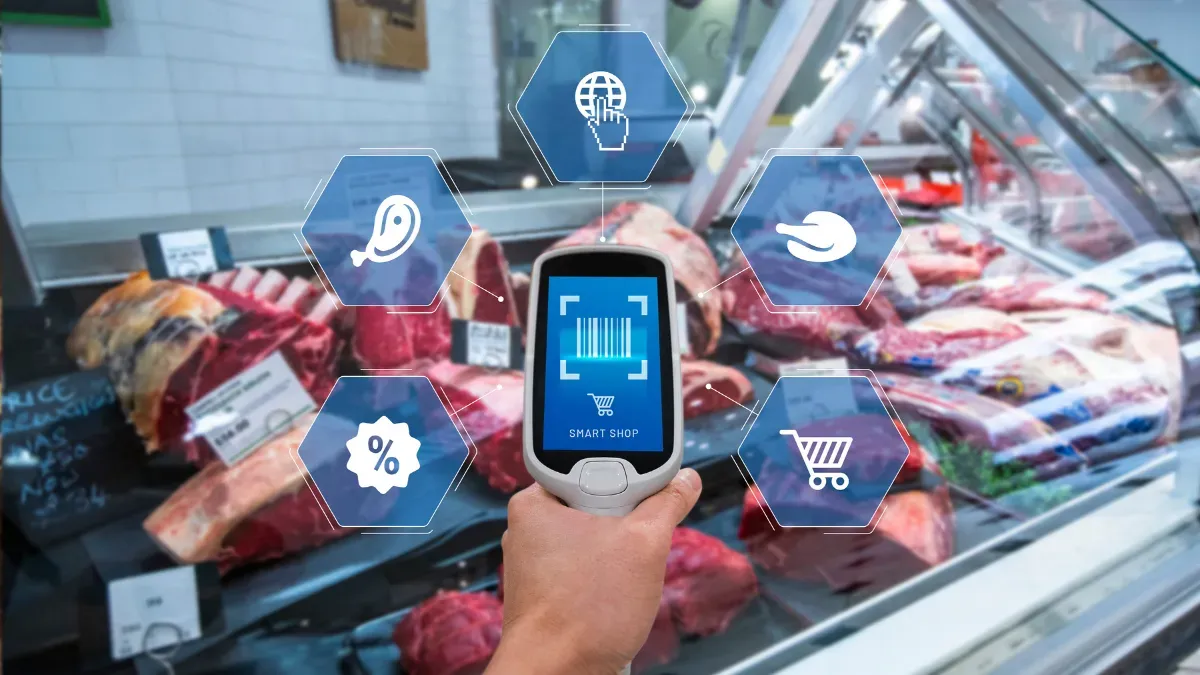
For example, a Canadian clothing manufacturer can use order-routing software to decide whether to ship an online order from its own warehouse, a third-party logistics provider, or a nearby retail outlet. This can cut shipment time and costs while improving the customer experience. The goal is more than just speedier delivery. It means fewer picking errors, more reliable tracking, lower shipping costs, and a better understanding of fulfillment performance.
Connect E-Commerce, POS and Retailer Data
Many small and medium-sized enterprises continue to make decisions based on disconnected data. Their e-commerce platform may show online sales, their retail partners may generate separate sell-through data, their point-of-sale system may track store activity, and their ERP platform may track production and inventory. When those systems aren't connected, business owners frequently rely on handwritten spreadsheets and out-of-date reports. Connecting e-commerce, point-of-sale, and retailer data provides a more comprehensive view of client demand. It can disclose which items perform best in a specific channel, region, client category, price range, or season. It can also reveal whether online promotions boost demand for actual retail locations or whether store-level stockouts drive customers online.
In Canada, the Monthly Store Trade Survey collects sales, e-commerce sales, inventory values, and store location data from retailers in all provinces, territories, and census metropolitan areas. This depicts how e-commerce and physical retail are now integrated into a single larger retail ecosystem. For manufacturers, this data can influence production schedules, product packaging, retail strategies, and regional inventory distribution.
Learn From Returns Instead of Treating Them as Waste
Returns are often seen only as a cost. However, returns data can reveal flaws in product descriptions, packaging, sizing, delivery, and customer expectations. A high return rate could indicate that a product doesn't match its online description, a package was damaged in transit, size information is unclear, or a quality issue emerged in a single production run. By examining return reasons, brands can spot recurring patterns and improve operations. A footwear business may notice that customers are returning one model because the sizing is too small. A home-goods maker may discover that a specific packaging format causes increased breakage during delivery. A cosmetic firm may discover that customers require more detailed product-use information before purchasing.
These insights can help enhance product design, quality control, online content, packaging, supplier selection, and production planning. The result is not only lower return costs, but also improved customer experience and more accurate demand estimates.
Build an Omnichannel Operating Model
Omnichannel retail entails providing a uniform customer experience across online stores, physical locations, marketplaces, wholesale partners, social commerce, and customer support channels. Small and medium-sized enterprises do not need to be everywhere. The firm must ensure its channels are connected. If a product has already sold out in-store, it should not be listed as available online. A shop should not receive late replenishment because the manufacturer did not anticipate increased digital demand. Customer support representatives should be able to view order status and returns information without searching through multiple systems.
In June 2026, Canadian retail sales were $74.3 billion, with sales up in seven of nine subsectors. The size and complexity of retail activity make connected demand and inventory information critical for manufacturers serving numerous channels.
The Bottom Line
Canadian businesses and manufacturers can no longer treat retail data as relevant only after a sale is complete. Data from e-commerce, point-of-sale, inventory, fulfillment, and returns can help drive early decisions about what to build, where to ship it, and how much to produce. For SMEs, the opportunity begins with linking their existing systems—and transforming client signals into faster, smarter supply-chain choices.
CanadianSME Small Business Magazine shares practical insights, business developments, and entrepreneurial stories from across Canada. Subscribe to our monthly editions for updates on Canadian businesses, and follow @canadian_sme on X for current business trends.
Disclaimer: This article is based on publicly available information and is intended for informational purposes only. CanadianSME Small Business Magazine does not endorse or guarantee any products or services mentioned. Readers should conduct independent research and due diligence before making business decisions.