LLMs as the new entry point for the web

Large language models are rapidly shifting from efficiency tools into dominant digital acquisition channels, disrupting traditional search engines and social media. With platforms like ChatGPT and Gemini boasting hundreds of millions of users, new transactional ecosystems are emerging through embedded apps, conversational ads, and generative engine optimization (GEO). As businesses adapt to this paradigm, success now depends on making services natively "callable" within AI workflows.
The impact of LLMs on our ability to make businesses more efficient and productive no longer needs to be demonstrated. However, their immense popularity also risks profoundly disrupting digital acquisition channels. Large language models (LLMs) are now positioning themselves as serious candidates to become the new entry points for online consumption.
We are witnessing what looks like a fundamental shift in behavior. The long-standing dominance of search engines and social media as primary acquisition channels appears to be giving way to a new dynamic, one that could reshape how people discover and access products and services online.
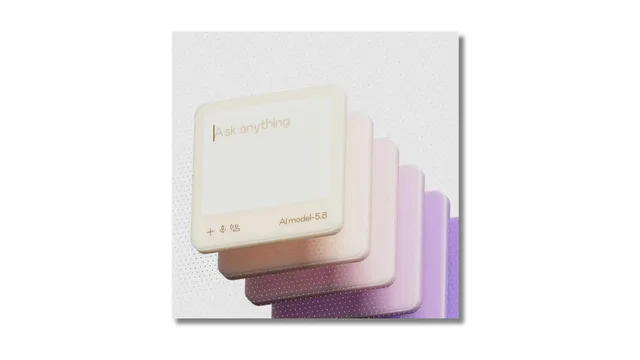
The rise of LLMs as the new dominant mainstream platform
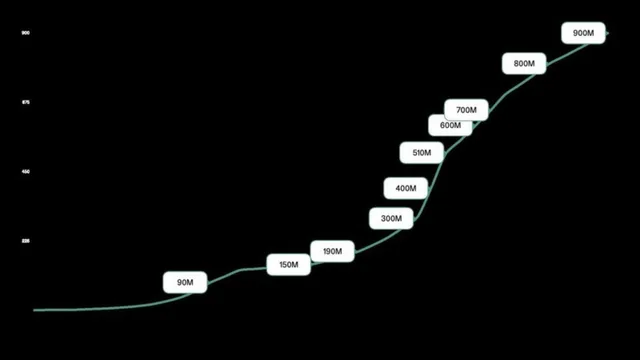
In February 2026, more than 900 million people were using ChatGPT every week. Google, for its part, announced that Gemini had surpassed 750 million monthly active users. And that number keeps growing every day.
Generative AI products are reinventing how people find content online. And the major players are gradually turning their products into platforms where businesses can position their offerings and their brands. In 2026, marketing teams can no longer afford to ignore this wave that could fundamentally rewrite the rules of online marketing.
Apps in ChatGPT
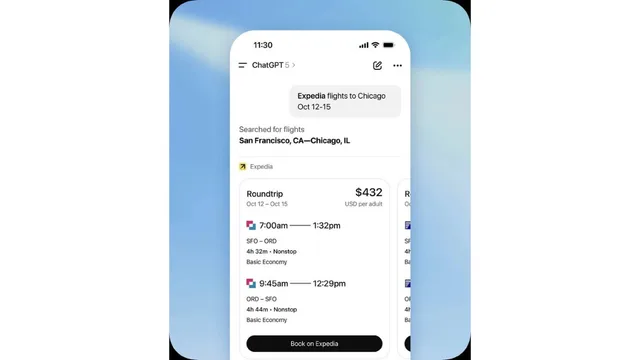
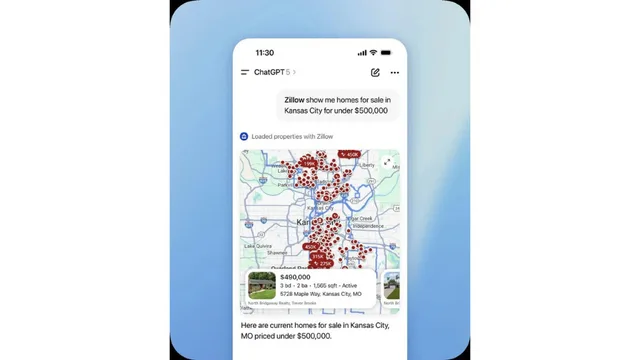
Announced in October 2025 and gradually rolled out to users before the end of the year, ChatGPT apps leverage OpenAI's new Apps SDK to create interfaces that integrate seamlessly into the user's conversation.
ChatGPT Plus users can browse all available apps in the Apps tab of their menu.
$10B
The AI revenue boom
According to Sensor Tower projections, revenue from in-app purchases (IAP) in generative AI apps is expected to surpass $10 billion USD in 2026.
Ads in ChatGPT
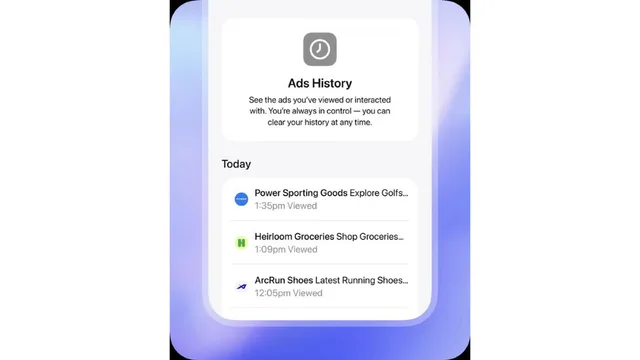
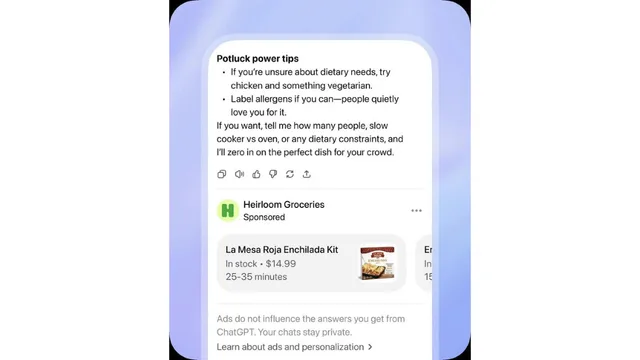
In February 2026, OpenAI confirmed that it had begun testing ads with free-tier users of its platform in the United States. The company is currently experimenting with conversational, highly interactive ad formats embedded directly in conversations. OpenAI has stated that its advertising program will evolve over time to support additional formats and buying models. Google has also informed advertisers that it plans to roll out ads in Gemini in 2026.
Toward a new transactional ecosystem
A true transactional ecosystem is emerging within conversational platforms themselves. The recent rollout of first ad formats, the integration of third-party apps directly into the ChatGPT interface, and Skills in Claude, which allow brands to publish activatable modules at the core of LLMs, mark a decisive turning point.
It is no longer just about conversation; it is about converting intent into action. By integrating sponsored links and purchasing mechanics, large models are cementing their status as a distribution channel.
“AI is actively destroying the distribution channels we've relied on for decades. SEO traffic is plummeting as users shift to answer engine platforms. Social algorithms are more unpredictable than ever. The old playbooks are burning.”
— Brian Balfour, Former VP Growth at HubSpot and Founder of Reforge
Asking rather than searching: the rise of GEO
For 20 years, the quintessential digital reflex was keyword search. Users had to query an engine, analyze a list of links, and navigate from site to site to piece together their own answer. Today, that dynamic is reversing.
People no longer necessarily want to hunt for information; they expect it to come to them, centralized and ready to use. Large language models meet this expectation by acting as an intent catalyst. Rather than scattering efforts across a laborious research phase, users can now qualify their needs in a single conversation.
This shift is subtle but fundamental: generative engines don't browse information the way humans do. They don't compare lists; they formulate answers. They favour what is clear, consistent, confirmed by the ecosystem, and aligned with established trust signals.
This is where GEO (Generative Engine Optimization) comes into its own. Not as a simple extension of SEO, but as a discipline aimed at making a reputation intelligible to AI. It's no longer about optimizing for clicks, but about structuring a reputation credible enough to be "the chosen one."
“It's the 'Winner Takes All' approach. When the decision is made by AI, the market stops being a space of choice and becomes a predetermined space. This approach emerges not because one option is objectively better, but because it is deemed reliable enough to be recommended without comparison.”
— Isabelle Poirier, Strategist and Product Research Specialist, Mirego
The big question: bundling or unbundling?
Faced with this transformation, a strategic uncertainty remains. Will we see total consolidation (bundling) where the LLM becomes the sole interface, the "Super App" that absorbs all others, rendering proprietary interfaces obsolete? This is the bet of certain players from the AI sector who aim to create new browsing habits that are agnostic of the platform ecosystems we know today.
Or will the LLM simply remain a powerful distribution channel (unbundling), a gateway that then redirects users toward specialized experiences? Giants like Apple and Microsoft seem to be betting on this second option, integrating AI directly into existing platforms to reduce friction without dismantling their app ecosystems.
Regardless of the outcome of this struggle, one thing is certain for 2026: the value of a digital product will no longer reside solely in its interface (shell), but in its ability to fit natively into the AI workflow (content). We are entering an era where it is no longer about convincing someone to download an app, but about making one's service instantly "callable" at the precise moment intent is expressed.