Building the Future of Canadian Real Estate: Fred Waks on Trinity’s Growth Strategy

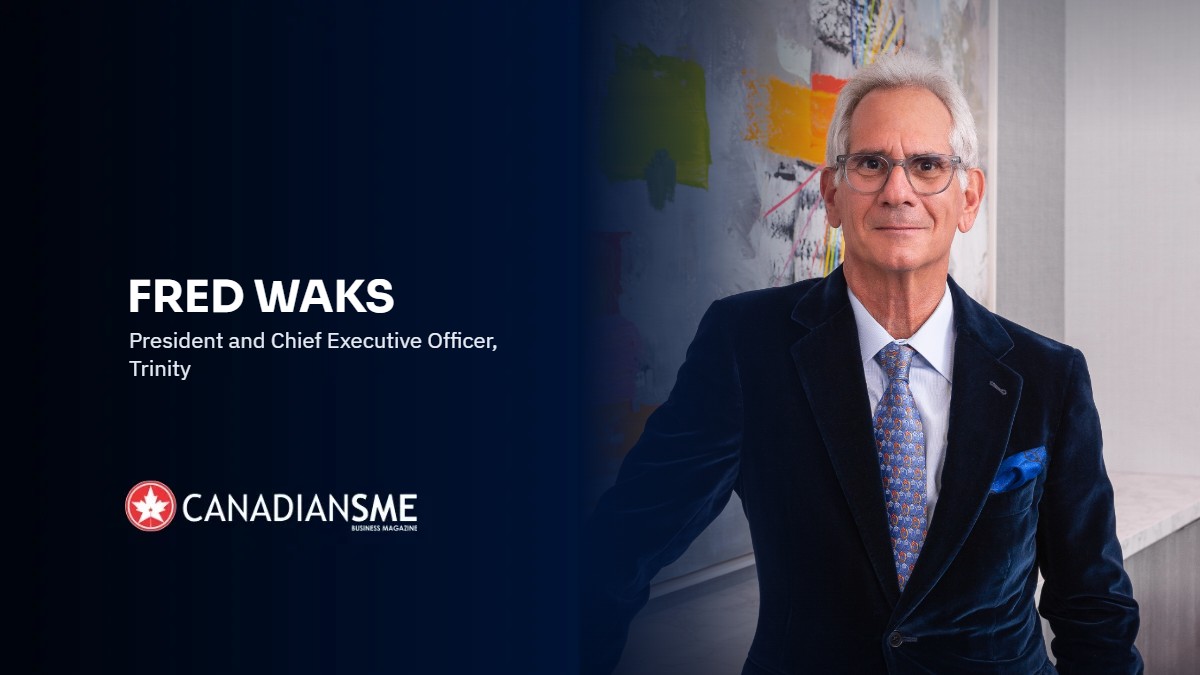
Image Courtesy: Fred Waks
In an exclusive interview with CanadianSME Small Business Magazine, Fred Waks, President and CEO of Trinity, explains the company’s focus on grocery-anchored retail, the formation of Trinity Real Estate Asset Management Inc., and where he sees opportunity in Canada’s retail real estate market.
Fred Waks is the President and Chief Executive Officer of Trinity, which he joined in early 2015. He was previously President and Chief Executive Officer of RioCan, where he gained national recognition as an integral part of the team that made RioCan the largest retail landlord in Canada; during that time, RioCan grew from $100 million to $15 billion in assets.
Fred is frequently sought out for commentary on real estate by Canada’s leading business media. He was Chairman of European Commercial Real Estate Investment Trust and Vice-Chair of Extendicare, and was appointed to the Board of Directors of the Ontario Energy Board in 2025, later becoming its Vice Chair.
An active community leader involved with a number of local and national charities, Fred is Chairman of the Board of Simon Wiesenthal Centre Canada, an Honorary Trustee of the Royal Ontario Museum, Past Chair of the Sunnybrook Hospital Foundation and Past Chair of the Jewish Foundation of Toronto. He received the Queen’s Diamond Jubilee Medal for service to Canada and the community, and the King Charles III Coronation Medal.
With your extensive leadership experience in Canadian real estate, what has been your vision for Trinity’s growth and evolution?
Trinity is a company with an exceptional legacy. The company has built more than 32 million square feet of retail, commercial and residential space and helped pioneer large-format retail in Canada. My vision was to build on that foundation and turn Trinity into a true investment and asset management platform, one that invests alongside its partners and earns its returns through hands-on operations.
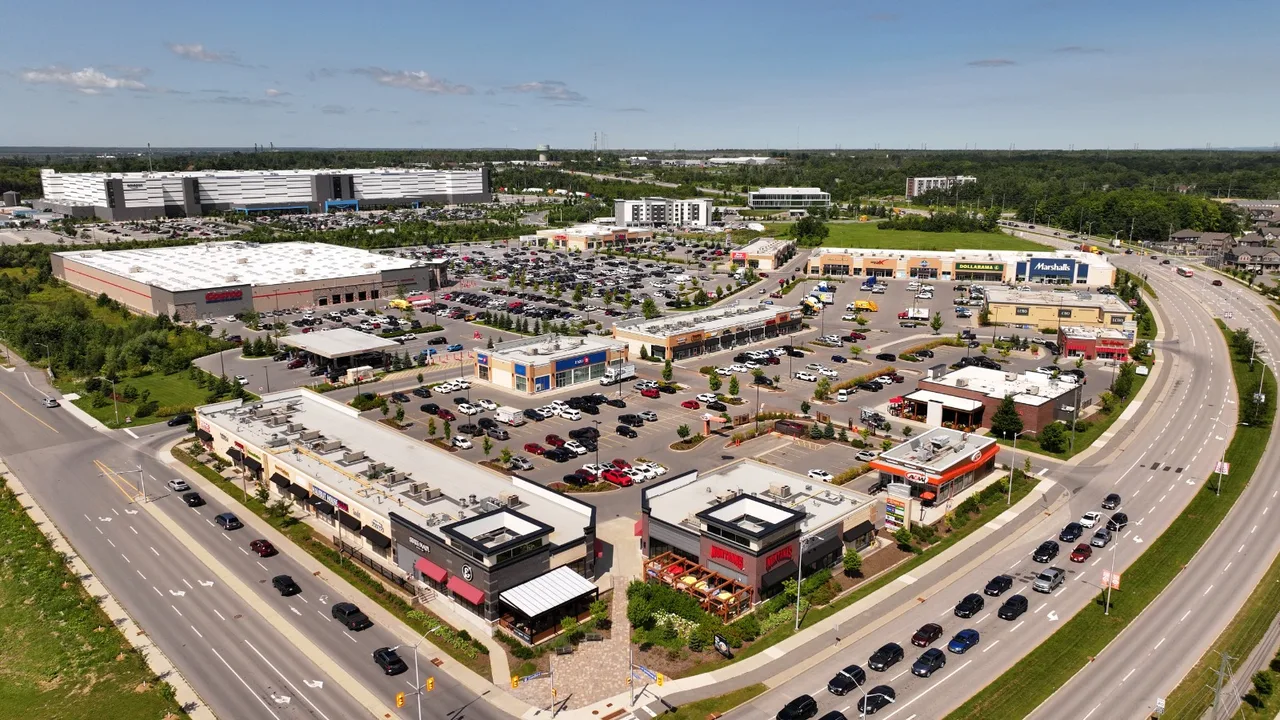
That meant three things. First, focusing on necessity-based, grocery-anchored retail that people visit every week, whatever the economic cycle. Today, the majority of our tenants are essential retailers, and our portfolio is almost fully leased. Second, building a fund platform so that private investors could participate directly in that strategy. Third, investing in people. Real estate is a relationship business, and I learned at RioCan that the quality of the team determines the quality of the results.
The formation of Trinity Real Estate Asset Management Inc. is the next step in that evolution. It gives us a dedicated platform, owned and led by the people who run it, with the capital and leadership depth to grow over the long term.
What inspired the formation of Trinity Real Estate Asset Management Inc., and how will it support Trinity’s long-term strategy?
Two things drove it: succession and focus.
Trinity has been built over more than three decades, and any enterprise that wants to last needs a clear plan for the next generation of leadership. We wanted to put that plan in place while the business was performing well, not wait until we had to.
At the same time, our asset and property management business had grown into something distinct, with its own funds, institutional partners and team. Placing it in a dedicated company, owned by the partners who lead it, aligns our interests directly with those of our investors. When the people managing the assets also own the business, accountability is built in.
The new company brings together a partner group with deep experience. Allan Silber joins as Executive Chairman, and our senior leaders, Adam Cohen, David Scorniaenchi and Rossi Sas, are partners alongside me. John Ruddy, who founded Trinity in 1992, continues as Founder and Partner and remains on our Board.
For our investors, partners and tenants, the result is the same team and the same relationships, with long-term stability, better access to capital and the capacity to grow.
How do you see Canada’s retail real estate landscape evolving, and what opportunities are emerging for investors and businesses?
Canadian retail real estate has proven far more resilient than many predicted. During the pandemic, the conversation was about the death of the store. What we actually saw was a sorting. Enclosed fashion malls struggled, while grocery-anchored and open-air centres serving everyday needs held up well. E-commerce is a permanent part of the landscape, but it has become a complement to physical stores, not a replacement.
Today, the fundamentals are as strong as I have seen in years. Very little new retail space has been built across the country, while population growth continues to drive demand. Well-located centres are close to full occupancy, and retailers are competing for space, which supports rent growth.
I see opportunities in three areas. First, necessity-based centres anchored by grocery, pharmacy and everyday services, which offer stable, defensive income. Second, under-managed properties, where active leasing and asset management can unlock value. Third, intensification. Many shopping centres sit on large sites close to transit and growing communities, and over time some of that land can support residential and mixed-use development. Retailers want to be close to density, and density wants to be close to retail.
Trinity has raised $180 million in new capital over the past three years. What has contributed to this success, and how are strategic partnerships supporting your growth?
It comes down to performance and trust. Investors back a strategy they understand and a team with a track record. Ours is straightforward: buy well-located, necessity-based retail centres, often grocery-anchored, and add value through hands-on leasing and management. Our first two funds have delivered strong results, and that record has brought investors back and introduced us to new ones.
Our investors also know our leadership. All of our senior leadership has deep experience in Canadian retail real estate, and we invest alongside them. That alignment matters.
Strategic partnerships have been just as important. Alongside our funds, we have secured significant joint-venture capital and work with best-in-class institutional partners. Partnering lets us pursue larger opportunities than we could alone, while our partners benefit from our operating platform, from tenant relationships and leasing to day-to-day property management.
The formation of Trinity Real Estate Asset Management strengthens that model. It gives our partners and investors a dedicated, management-owned platform with the depth and continuity to keep delivering over the long term.
Looking ahead, what are Trinity’s key priorities for future expansion, investment, and development across Canada?
Our priorities are disciplined growth in two directions.
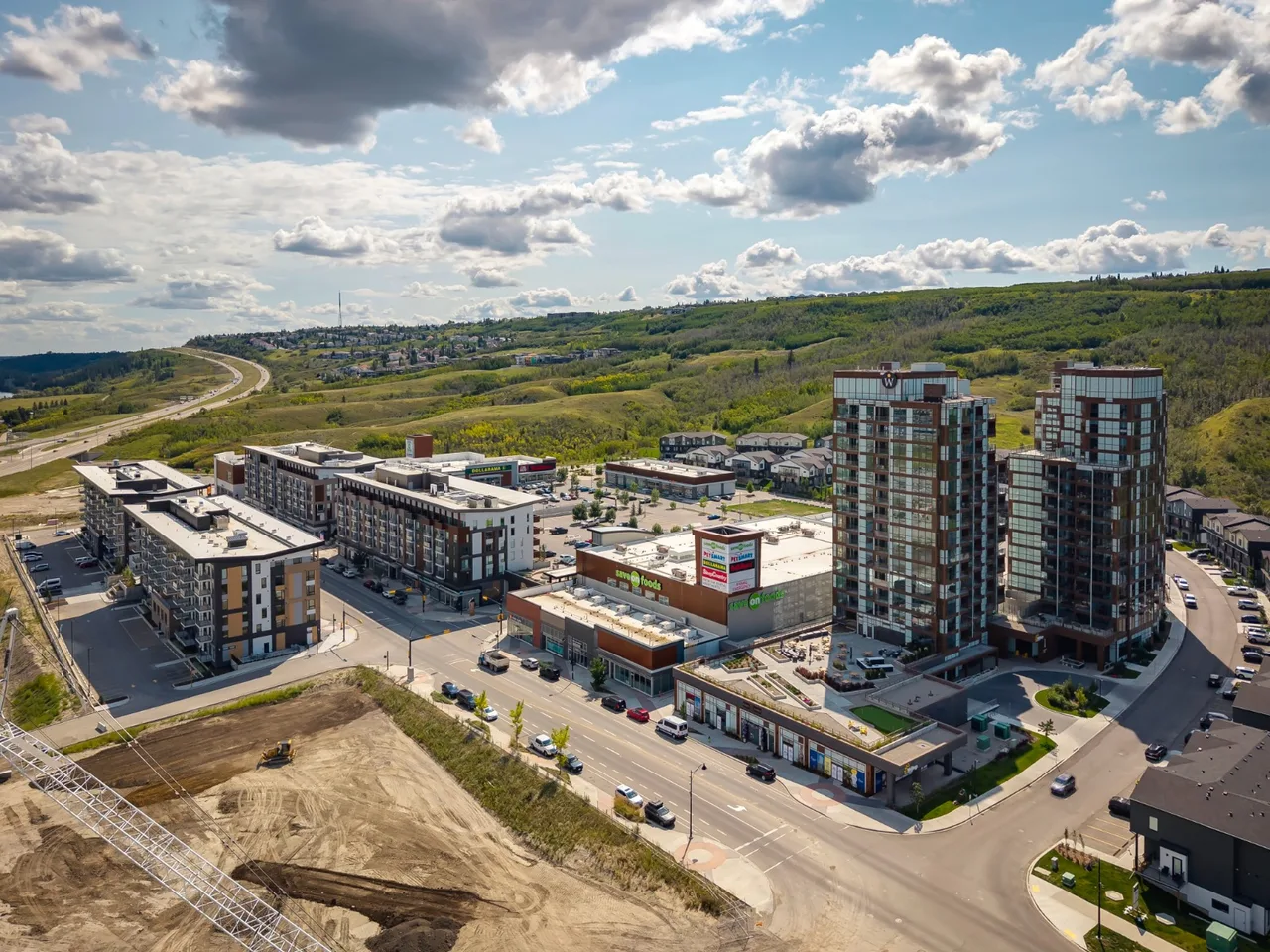
First, continuing to grow our investment platform. We will keep acquiring necessity-based, grocery-anchored centres in markets where we know the tenants and the local dynamics, building on our presence in Ontario, Alberta and Quebec.
Second, expanding our asset and property management business. As a dedicated, management-owned company, we are well positioned to take on third-party mandates for owners and institutions that want an experienced, hands-on operator. Over time, we will also look selectively at opportunities beyond Canada where our expertise travels.
Underpinning all of this is our team. We have a strong partner group, talented people and long-term commitments from our senior leaders. Our focus is on delivering for our investors, partners and tenants for years to come.
Disclaimer:
The views and opinions expressed in this interview are those of the interviewee and do not necessarily reflect the official policy or position of CanadianSME Small Business Magazine. Our platform is dedicated to fostering dialogue and sharing insights that inspire and empower small and medium-sized businesses across Canada.