Turning Private Events Into Growth: Ania Geerts on AI and Hospitality Revenue
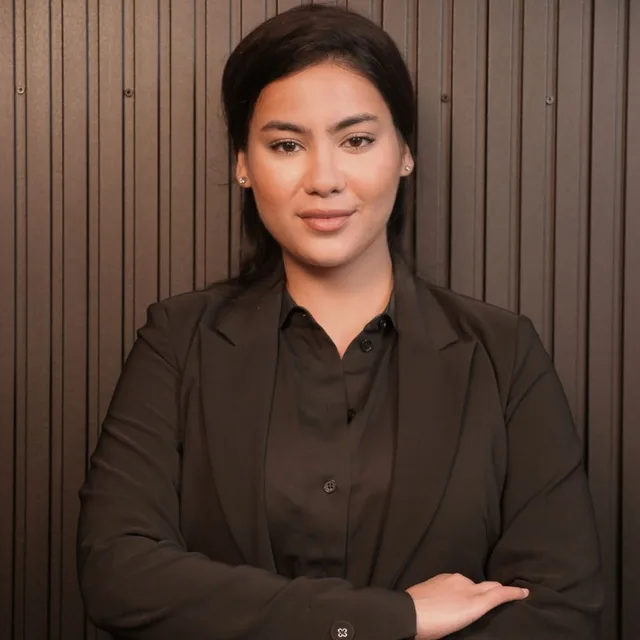

In an exclusive interview with CanadianSME Small Business Magazine, Ania Geerts, CEO and Co-Founder of Paloma, shares how AI can help hospitality businesses turn private event inquiries into bookings, simplify operations, and keep human connection at the heart of guest experiences.
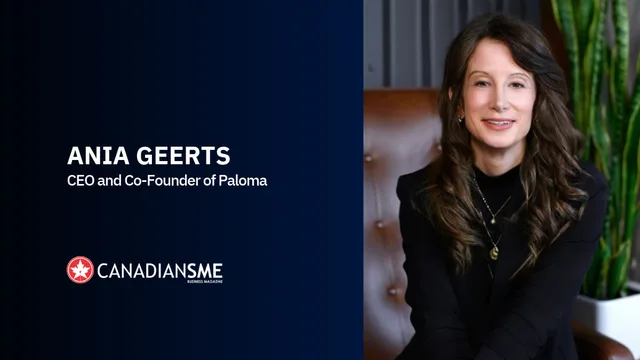
Ania Geerts is a seasoned entrepreneur whose career spans two decades of building purpose-driven businesses that connect community and innovation. She is the CEO and co-founder of a next-generation AI product designed for private event success in the hospitality industry. Paloma replaces the traditional event intake form with an intelligent, personalized venue experience that helps venue teams qualify leads, increase booking conversions, streamline workflows, and offer operational transparency across entire venue portfolios.
Why are private events such an overlooked revenue opportunity for restaurants, bars, hotels, and smaller venues?
Private events are among the most valuable bookings a venue can take: a guaranteed group, a set menu, and a full room on a night that might otherwise be quiet. They’re also some of the highest-margin revenue in hospitality. Yet most restaurants, bars, and hotels manage them with no real system. Inquiries arrive through email, web forms, voicemails, and DMs, then wait until a manager finds a spare moment. By the time someone replies, the host or planner has often booked elsewhere.
When we went door to door talking to venues, we found many weren’t using event software at all. They tracked events and revenue with email threads, handwritten notes, paper calendars, and the occasional spreadsheet. That’s not a criticism of operators. There simply wasn’t an option that was both affordable and genuinely useful in their day-to-day operations.
The good news is that demand is already there, and it’s growing. Most venues don’t have a lead problem; they have an inbox problem. Inquiries are coming in and getting stuck with teams stretched too thin to keep up. The priority isn’t driving more leads into a full funnel. It’s capturing the business already waiting for a reply. What we see with our customers is that once events are treated as a real revenue channel, they start performing like one.
What was the frustrating event-planning experience that inspired you to build Paloma?
I spent three months planning an event that fell apart at the venue. And I mean fell apart: expectations were so mismatched that our group didn’t feel comfortable staying, and we ended up leaving (cue the industrial techno).
What stayed with me afterward was that the staff weren’t careless. They genuinely wanted it to go well and had all the usual tools to communicate with us. The problem was the system around them, or really the lack of one. Details lived in scattered emails, phone calls, and someone’s memory. Somewhere between my first inquiry and the day itself, important things slipped through the cracks.
As a guest, you never see that behind-the-scenes chaos. You just watch a moment you care deeply about, fall apart. When I asked friends, many had their own disappointing venue stories, for the same reasons. Friends who own restaurants and event spaces felt it too: too many inquiries and too many details to keep on top of. I kept wondering how many businesses were losing goodwill and repeat customers without realizing why.
That’s what Paloma is built to fix. We connect every stage, from first inquiry to event day, so nothing depends on memory or luck. When the process is solid, venue teams can focus on what they do best: creating exceptional experiences.
How can faster, more personalized inquiry handling improve both guest experience and booking conversion?
When someone is planning an event, they’re usually contacting several venues at once. The first venue to respond thoughtfully has a real advantage. In fact, we see booking rates nearly double when venues reply within the first hour.
Personalization matters just as much as speed. A retirement dinner for 30 has very different needs from a corporate holiday party for 120. When the first reply captures every detail of their event, planners feel heard. That builds early trust, and trust is what turns an inquiry into a booking.
The challenge has always been doing both at once. Fast usually means templates; personal usually means waiting for the right manager to be free. Paloma closes that gap by making the inquiry process proactive rather than reactive. It gathers the right details upfront, helps teams respond quickly with something tailored, and follows up automatically when a planner goes quiet, so warm leads don’t go cold.
For guests, that means less back-and-forth and more confidence. For venues, it means more of the inquiries they already receive become booked events.
How does Paloma help smaller hospitality operators gain the operational advantages usually associated with larger venue groups?
Large hospitality groups often have dedicated events teams, CRM systems, standardized contracts, and reporting that shows exactly how their events business is performing. Most independent and mid-sized operators don’t have that infrastructure. They’re running events on instinct and email, and that’s a real competitive disadvantage.
Paloma brings that infrastructure into one system that doesn’t require an events department to run. Inquiry capture, follow-up, contracts, guest communication, and event management all live in the same place.
For a single venue, that means looking and operating like a much bigger player. For groups with several locations, it means every venue follows the same standard instead of each manager running their own system.
The goal isn’t to make venues more corporate. It’s to give operators the visibility and consistency that used to require a much larger team and budget.
Where do you see human-in-the-loop AI making the biggest difference in hospitality over the next few years—and where should people remain central?
Hospitality is fundamentally human, and that shouldn’t change. Paloma’s mission is to bring people together, and that applies to every level of our operations - whether its the guests celebrating or the teams responsible for building a successful event. Reading what a guest really wants, handling unusual requests, deciding when to be flexible, and building relationships that bring a guest back year after year all require the magic of in person connection. And on the day itself, it’s people who make an event feel unforgettable.
That’s why we designed Paloma around a human-in-the-loop approach, and it's the core of how we design our product. The AI in the product is designed to champion the team, and make sure the team stays in control of every decision that matters. We balance automation with personalization - removing the manual process of things like document drafting and standardized follow-ups. Our goal is to make it easier and faster to get the team exactly where they belong - in front of their guest. The best outcome isn’t fewer people in hospitality. It’s people spending less time chasing emails and more time creating magical moments and exceptional experiences.
Disclaimer: The views and opinions expressed in this interview are those of the interviewee and do not necessarily reflect the official policy or position of CanadianSME Small Business Magazine. Our platform is dedicated to fostering dialogue and sharing insights that inspire and empower small and medium-sized businesses across Canada.